Dr. Lucius “Luke” Pomerantz | Orthopedic Surgeon × Combat Sports Expert
Why Hand and Wrist Injuries Are the Silent Career Killers in Combat Sports
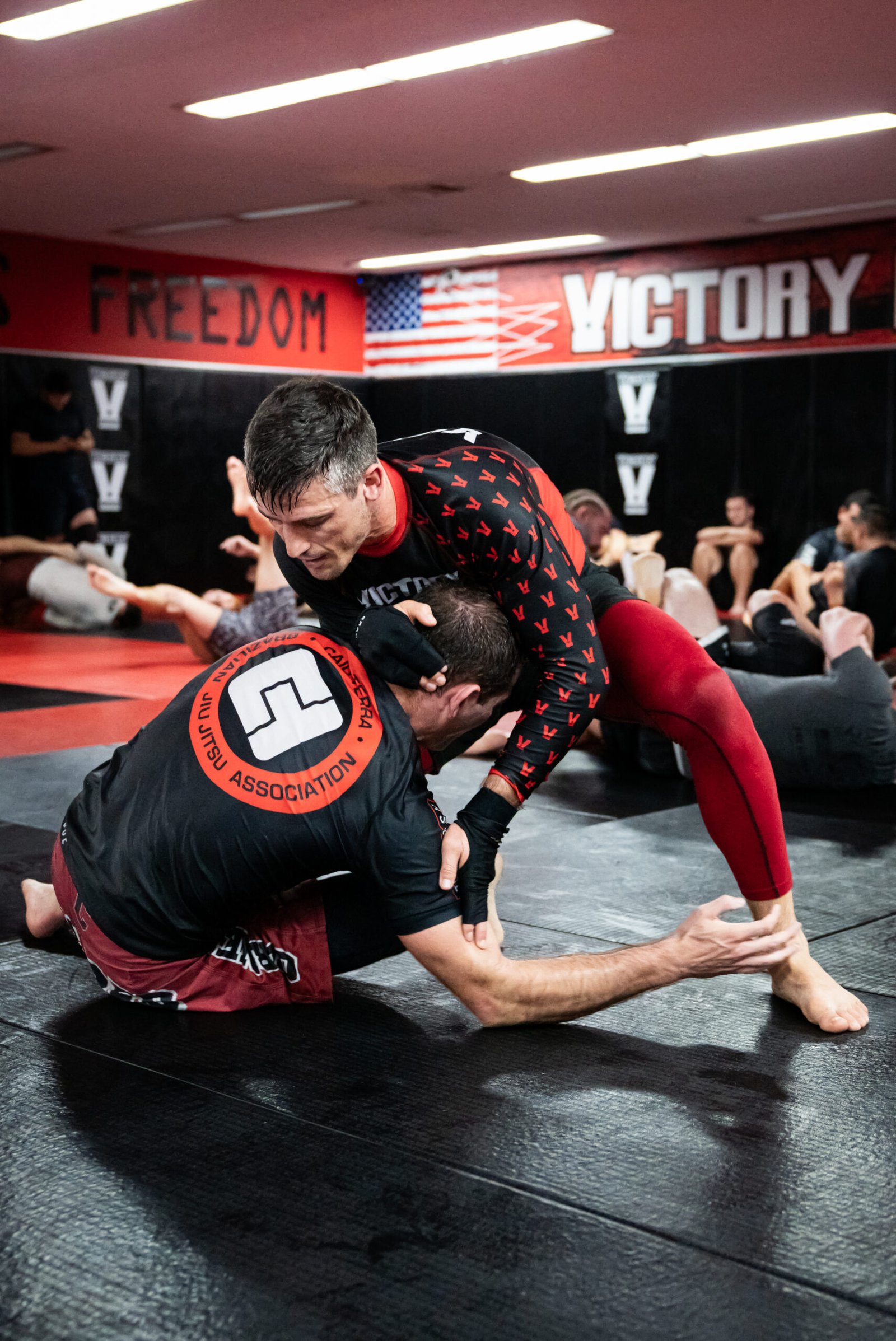
Whether you’re wrapping your hands before stepping into the cage or gripping a gi during a high-intensity roll, your upper extremities are doing the bulk of the work—and taking the bulk of the damage.
Yet, most fighters don’t give their hands, wrists, or elbows the same attention they give their conditioning or striking. That’s a mistake.
As an orthopedic surgeon, former MMA fighter, and current ringside physician, I’ve seen firsthand how often athletes ignore pain until it becomes irreversible. And when it comes to your hands? Small injuries today become big problems tomorrow.
Common Upper Extremity Injuries in Fighters
Hand and wrist injuries are some of the most frequent—and most ignored—injuries in MMA, Brazilian Jiu-Jitsu (BJJ), boxing, and other combat sports. Here are a few I treat regularly:
- Boxer’s fractures (metacarpal breaks from punching)
- TFCC tears (Triangular Fibrocartilage Complex—wrist ligament injuries from impact or twisting)
- Collateral ligament sprains (common in BJJ grip fighting)
- Ulnar-sided wrist pain from wristlocks and overuse
- Nerve compression syndromes in the elbow and wrist
- Overuse tendonitis and tenosynovitis
These injuries aren’t just painful—they change how you move, train, and fight.
Why They’re So Dangerous
Unlike shoulder or knee injuries, many hand and wrist injuries don’t hurt until they’re already bad. Cartilage in your joints has no nerve supply, which means you can do significant damage before feeling real pain.
By the time you notice it? You may already be facing chronic instability, scar tissue, or arthritis.
So, What Can Fighters Do to Stay in the Game?
1. Don’t Train Through Hand Pain
You’d be surprised how many pros delay seeing a specialist. Don’t. If you feel:
- Clicking or grinding in your wrist
- Sudden sharp pain when gripping
- Swelling after light training
You need to get evaluated. A proper exam—and often just an X-ray or ultrasound—can help avoid months of downtime or even surgery later.
2. Tape Smarter, Not Harder
Taping your fingers for BJJ? Great. But learn how to tape correctly:
- Tape between joints to stabilize, not restrict movement.
- Use buddy taping when you’ve had a mild sprain to avoid overuse compensation.
- Don’t rely on tape as armor. If you’re taping every roll, something’s off with your technique, recovery, or both.
3. Strengthen Your Grip (Without Overtraining It)
Your grip is your armor. But overtraining can lead to tendonitis and fatigue. Here’s what I recommend:
- Rubber band finger extensions to balance flexor training
- Rice bucket drills for wrist stability
- Grip ball holds for time-under-tension control
- Forearm rolling for dynamic strength
2–3 sessions per week is plenty. More than that? You’re likely overloading small tendons that don’t get enough recovery.
4. Use Movement as Medicine
One of the biggest mistakes I see is immobilization after injury. Unless you’ve broken something or had surgery, complete rest often does more harm than good.
Controlled motion stimulates synovial fluid (which nourishes cartilage) and maintains strength. If it doesn’t hurt with light movement? Move it. Just don’t push through pain.
When to See a Specialist (Not Just Your Coach)
If your symptoms last more than a week, or you’re losing mobility or strength—see an orthopedic hand specialist. As someone who’s been in the ring and the OR, I get both sides of the fighter equation. My job is to keep you competing at your peak, not keep you on the sidelines.
Modern orthopedic care includes:
- Targeted rehab protocols
- Diagnostic imaging
- PRP and orthobiologic treatments
- Surgery (only when necessary)
My focus? Always conservative first. Surgery is the last resort—but when it’s needed, precision matters.
Your hands and wrists are not expendable. They’re your tools. Your weapons. Your grip on the world.
Train them. Protect them. Rehab them. And when they hurt—listen.
Don’t wait until a small sprain becomes a career-altering injury. Prevention, smart training, and early intervention are the keys to a long, healthy fight career.
Want More Like This?
- Watch “Cut to the Bone” on YouTube
- Follow me on Instagram for behind-the-scenes clinic and cage insights